


7 Ethical Clothing Costs Compared to Fast Fashion
Quick Summary
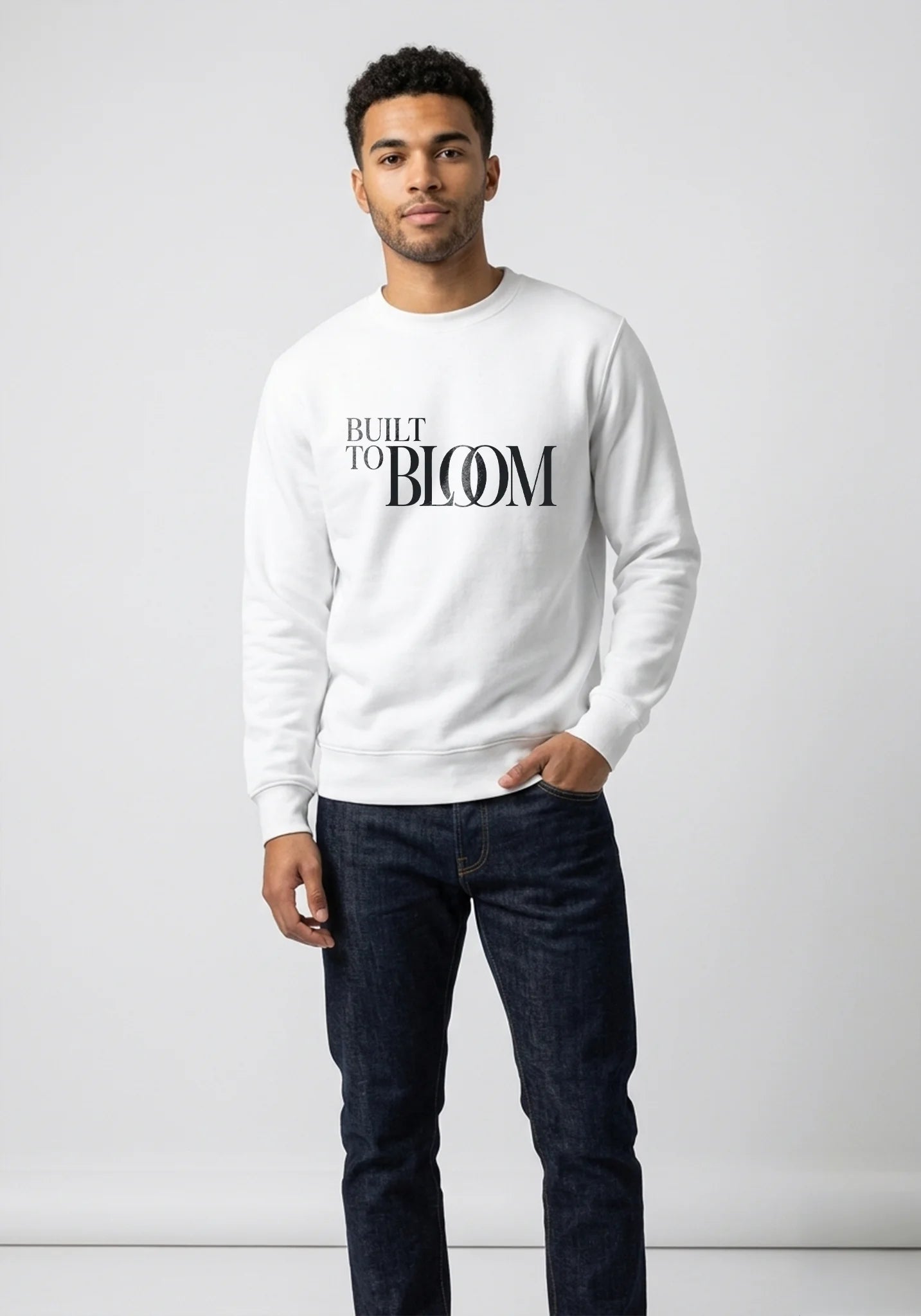
Ethical clothes are worth it when you wear them often enough to spread the higher price across many uses and the brand can show what the premium pays for. Cost per wear decides value, not the sticker price. A cheap garment that lasts can beat an expensive one that does not.
- Divide the purchase price plus any repair costs by the number of times you actually wear the item.
- A $34.32 organic sweatshirt worn 100 times costs about $0.34 per wear.
- A $12 fast-fashion sweatshirt worn 10 times costs about $1.20 per wear.
- Check whether a certification covers the fiber, the dye process or the finished garment.
Table of Contents
- What Ethical Clothes Actually Mean
- Are Ethical Clothes Worth the Extra Cost?
- Ethical Clothing Brands That Are Affordable
- Ethical Fashion Examples Across Budgets and Categories
- How to Verify Ethical Claims and Avoid Greenwashing
- How to Shop for Ethical Clothing on a Budget
- Choosing Your Next Piece of Purpose-Driven Apparel
- Frequently Asked Questions
What Ethical Clothes Actually Mean
Last Updated: November 15, 2026
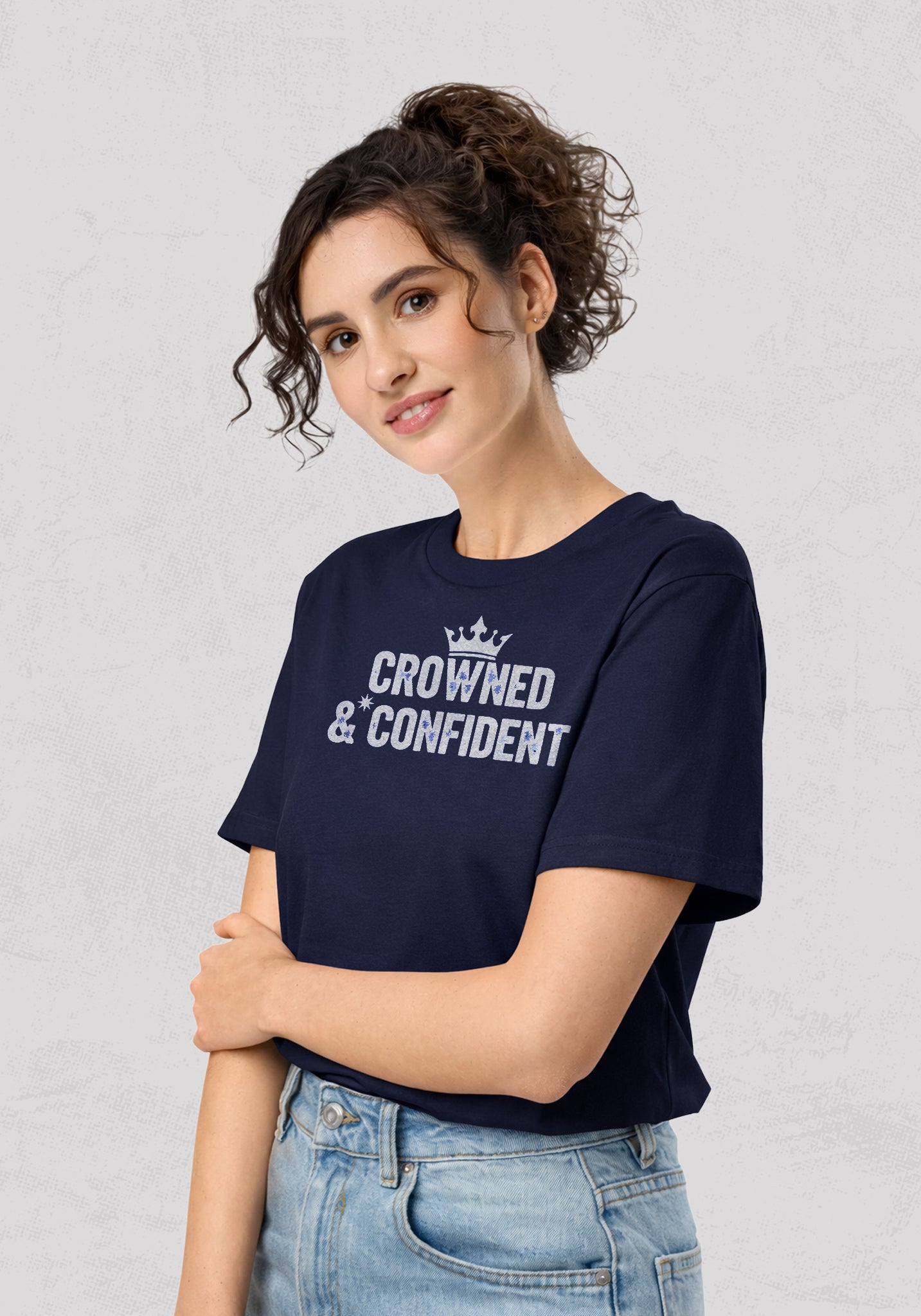
Ethical clothes are worth it for many shoppers, but the answer depends on what you are paying for. Ethical clothing is generally understood as garments made with fair labor practices, responsible materials and transparent supply chains. Price differences often reflect those choices, but not always.
Most shoppers see only the tag. Behind it sits a chain of cutting rooms, dye houses and shipping lanes, and each link affects both cost and impact.
Labor standards, fair wages and safe working conditions
Labor is where ethical claims get tested first. Fair wages, reasonable hours and safe factories all add cost at the production stage, and fast fashion brands often shift that cost onto workers.
A common mistake is assuming a "made with care" label guarantees fair pay. Look for specifics instead: named factories, audit results, or third-party certifications that verify working conditions. Brands that publish their supplier list give you something you can actually check.
Materials, dyes and environmental impact
Fabric choice drives much of the environmental footprint. Organic cotton is grown without synthetic pesticides, while recycled polyester diverts plastic from landfills. Dyeing and finishing can consume large volumes of water and introduce chemicals into local waterways, so dye processes matter as much as the fiber itself.
The thing nobody tells you is that "eco" fabrics are not automatically low impact. A recycled blend still sheds microfibers in the wash, which is why garment care matters too.
Are Ethical Clothes Worth the Extra Cost?
The honest answer is that it depends on three variables: how often you wear the piece, how long it lasts, and whether the brand can show you what the premium actually pays for. Ethical clothes are generally easier to justify when the extra cost is spread across many wears and the garment stays in rotation. Read a transparent breakdown of why ethical fashion costs more to see where the premium goes.

Cost per wear compared with fast fashion
Cost per wear is the most useful way to judge value, but only if you run the math honestly. Divide the purchase price plus any repair costs by the number of times you actually wear the item. A $34.32 organic sweatshirt worn 100 times costs about $0.34 per wear. See whether durable organic cotton tees justify their price over time.
The comparison flips when wear counts are similar. If both garments get worn 30 times, the $34.32 sweatshirt costs about $1.14 per wear and the $12 sweatshirt costs $0.40 per wear. That is the trade-off most brand content skips: paying more is not automatically better value, and a cheap garment that genuinely lasts can beat an expensive one that does not.
Durability is a key variable in the math. Durable alternatives to disposable kids clothes show how longer-lasting pieces stretch the value of each purchase. A garment that loses its shape after a few washes never reaches its wear potential.
Watch out: cost-per-wear math is easy to game by assuming a wear count you will never hit. Use your actual laundry and rotation habits, not a best-case estimate.
Where the money goes and what it does not buy
Higher prices cover better materials, slower production and labor costs, but they do not automatically guarantee quality or impact. Some brands charge a premium for marketing rather than ethics. Check what the price actually pays for before assuming it is worth it.
A practical way to test the premium is to separate the claims. If a brand says the price reflects organic fiber, ask which certification covers the fiber and whether it applies to the finished garment or only the raw material. If it says the price reflects fair labor, ask for the factory name or an audit summary. A premium backed by specifics is easier to justify than one backed by mood language.
When paying more does not make sense
There are real circumstances where the ethical premium is hard to defend. Trend items, formalwear worn once, and pieces in a category where you are still figuring out your fit are poor candidates for a premium purchase. So are garments from brands that cannot answer basic supply-chain questions, because you are paying for a claim rather than a verified practice.
A common pattern among value-focused shoppers is to prioritize the premium for high-impact, high-frequency categories such as everyday tees, sweatshirts, and outerwear, and to fill occasional-wear gaps through secondhand, swaps, or repair. That approach keeps the cost-per-wear math on your side without requiring an all-or-nothing commitment to ethical buying.
The article's cost-per-wear example makes the trade-off concrete, so this table lays out the figures it already gives.
| Scenario | Price | Cost per wear |
|---|---|---|
| Organic sweatshirt, worn 100 times | $34.32 | About $0.34 |
| Fast-fashion sweatshirt, worn 10 times | $12 | About $1.20 |
| Organic sweatshirt, worn 30 times | $34.32 | About $1.14 |
| Fast-fashion sweatshirt, worn 30 times | $12 | About $0.40 |
| Repair cost on organic sweatshirt, 100 wears | $15 | About $0.15 |
Cost per wear
Ethical Clothing Brands That Are Affordable
Ethical does not have to mean expensive. Our mid-light organic tee is $19.25, and our organic sweatshirts range from $33.00 to $44.68.
Ethical Fashion Examples Across Budgets and Categories
Budget shopping works best when you pair one versatile piece with a few lasting basics. Here are concrete examples at different price points:
- Everyday layer: see the unisex organic sweatshirt up close. our Unisex organic sweatshirt at $44.68, made from 80% organic combed ring-spun cotton and 20% recycled polyester, with GOTS and OCS certification for its organic cotton content and GRS certification for its recycled content.
- Mid-weight option: our Unisex organic mid-weight sweatshirt at $33.00, ideal for in-between weather.
- Core tee: our Unisex organic mid-light t-shirt at $19.25, made from 100% organic cotton.
Note that US customers should order a size up on the Unisex organic sweatshirt, since the EU sizes for this supplier correspond to a smaller size in the US market.
How to Verify Ethical Claims and Avoid Greenwashing
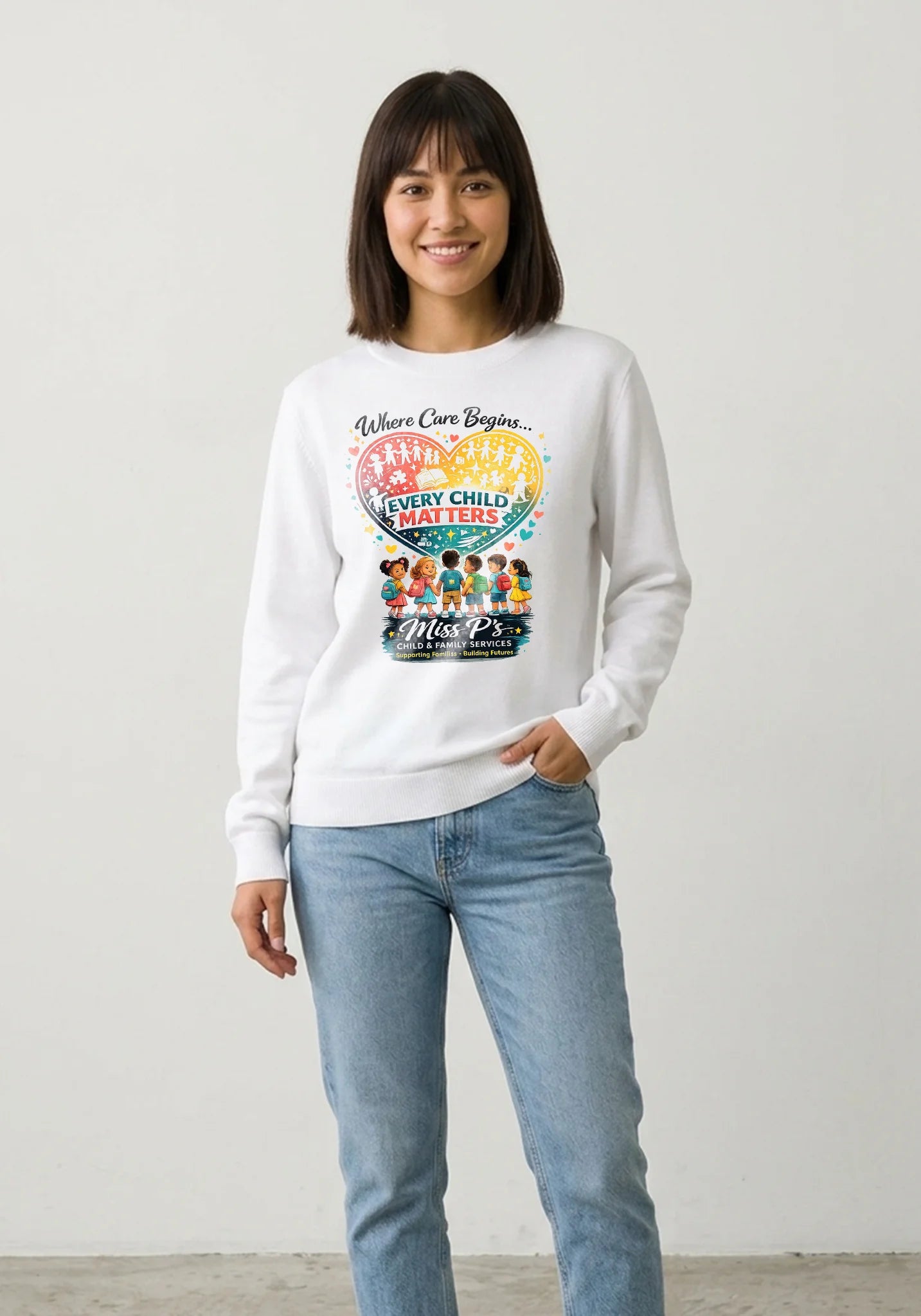
Greenwashing happens when a brand emphasizes one green feature while ignoring the rest. The fix is to test each claim against a specific question rather than judging the overall tone of the marketing. A garment can perform well on one measure, such as organic fiber, and poorly on another, such as factory wages, so verification has to be claim by claim.
A practical checklist for reading a brand's claims
Use these questions in order. A brand that answers most of them with specifics is easier to trust than one that answers with adjectives.
- Supply-chain disclosure: Does the brand name the factories or at least the countries and tiers where the garment is cut and sewn? A supplier list you can check is stronger than a vague statement about ethical partners.
- Certification scope: Which certification applies, and to what? A fiber certification covers the raw material, not the dye house or the sewing floor. Ask whether the claim is about the fiber, the dye process, the finished garment, or the whole supply chain.
- Labor claims: Is there an audit summary, a factory name, or a third-party labor standard referenced? "Fair wages" without a mechanism is a slogan, not a verifiable claim.
- Environmental language: Watch for vague terms such as "eco-friendly," "green," or "sustainable" used without a defined meaning. Specific language, such as "100% organic cotton certified to a named standard," is easier to evaluate.
- Animal welfare claims: If the product involves wool, leather, or down, check whether the claim names a standard or only uses words like "responsible" or "ethical."
The Federal Trade Commission's Green Guides set out how US businesses should substantiate environmental claims, which gives you a useful benchmark for judging a brand's language. The guides are a standard for marketers, not a consumer rating, so treat them as a way to spot claims that lack backup rather than as a seal of approval.
What certifications do and do not establish
Certifications are useful because they move a claim from marketing to a defined standard, but each one has a scope. A fiber standard tells you something about how the material was grown or produced; it does not tell you whether the workers who sewed the garment were paid fairly. A recycling-content standard tells you about material inputs; it does not tell you whether the garment will shed microfibers or how long it will last. Reading the scope is the difference between verifying a claim and assuming one.
Watch out: a certification logo on a hangtag can apply to only one component of a garment. Check whether the standard covers the whole product or just the fiber before you treat it as a whole-garment endorsement.
Limitations and uncertainty in fashion impact data
Much of the public data on clothing impact is directional rather than precise. Estimates of water use, carbon emissions, and waste vary by methodology, region, and fiber, and brands often cite the most favorable figure available. That does not make the claims meaningless, but it does mean you should distinguish verified evidence, such as a named certification or a published supplier list, from brand marketing, such as a percentage reduction with no stated baseline. When a claim cannot be checked, treat it as a signal of intent rather than proof of impact.
How to Shop for Ethical Clothing on a Budget
Start with fewer, better pieces. Buy basics in neutral colors that combine with what you already own. Care for them properly: wash in cold water, line dry when possible, and repair small damage before it spreads. Secondhand shopping and clothing swaps extend value even further.
Choosing Your Next Piece of Purpose-Driven Apparel
Ethical clothing is worth the extra cost when you wear it long enough to spread the price across many uses, and when the brand can show you where and how it was made. Start with one piece you will reach for every week. At The Tee Shop, our designs are made to power the next generation of parents, teachers and children, with play-proof comfort built in. Shop our collection and find the piece that fits your daily life.
Frequently Asked Questions
Are ethical clothes better quality and longer-lasting?
Often, but not automatically. Ethical brands that use organic cotton, heavier fabric weights and reinforced stitching may hold up well through repeated washing; The Tee Shop's organic sweatshirts, for example, feature double-needle topstitching at the hem, cuffs and armholes. Fabric weight is a useful check: the mid-weight organic sweatshirt is 8.3 oz./yd.², while the heavier organic sweatshirt is 10.3 oz./yd.². Look at the product specs rather than the label alone, and judge durability by how the garment is made, not by the word ethical.
How can you find affordable ethical clothing?
Start by comparing cost per wear rather than the sticker price. A $19.25 organic t-shirt worn 50 times costs about 39 cents per wear. Buying secondhand and choosing versatile basics also lower the cost, and focusing on fewer, longer-lasting items keeps the total spend manageable.
How can you tell if a clothing brand is ethical?
Look for third-party certifications rather than vague claims. Standards such as GOTS and OCS verify organic content, and GRS verifies recycled content. Check whether a brand names its factories or countries of production, publishes wage or audit information, and explains its materials. Words like conscious or eco-friendly without proof are a common sign of greenwashing.
Is it better to buy ethical clothing or shop secondhand?
Both reduce the impact of overconsumption, and neither has to be all or nothing. Secondhand buying is usually the lowest-cost option and keeps existing garments in use. Buying new ethical clothing makes sense for items you expect to wear for a long time, such as everyday tees and sweatshirts. Many families combine the two by buying durable basics new and filling the rest of the wardrobe secondhand.
