


Are Durable Organic Cotton T-Shirts Worth Buying?
Quick Summary
Durable organic cotton t-shirts are worth buying if you wear and wash them often, because durability depends on fabric weight, yarn quality, and construction, not organic cotton alone. Heavier fabric and details like double-needle stitching and twill-taped necklines help a tee last through regular use.
- Fabric weight is the best predictor of durability, measured in oz./yd.² or g/m².
- Organic cotton alone does not guarantee a long-lasting shirt; yarn and construction matter too.
- Check for named certifications such as GOTS, OCS, or GRS rather than vague organic claims.
- Estimate value by cost per wear: divide the price by the number of times you expect to wear it.
- Wash inside out in cold or warm water, skip fabric softener, and air dry to extend wear life.
Table of Contents
- What Makes an Organic Cotton T-Shirt Durable
- Organic Cotton T-Shirt Quality: What to Check Before You Buy
-
Best Organic Cotton T-Shirts From The Tee Shop
- How These Picks Were Judged
- Best Overall for Everyday Wear: Unisex Organic Mid-Light T-Shirt, $19.25
- Best for Structure and Active Days: Unisex Organic Ribbed Neck T-Shirt, $23.71
- Best for a Streetwear Silhouette: Unisex Organic Oversized High Neck T-Shirt, $30.00
- Heaviest Option: Unisex Garment-Dyed Heavyweight T-Shirt, 6.1 oz./yd.² (206.8 g/m²)
- Premium Traditional Cut: Cotton Heritage MC1082 Men's Premium Short Sleeve Tee
- Quick Comparison
- Price, Value, and Cost Per Wear
- How to Wash Organic Cotton Shirts So They Last
- Choosing Your First Durable Organic Tee
- Frequently Asked Questions
Are Durable Organic Cotton T-Shirts Worth Buying?
Last Updated: November 8, 2026
What Makes an Organic Cotton T-Shirt Durable
Durable organic cotton t-shirts are worth buying if you wear them often, wash them regularly, and want them to last through real use. Durability comes from three things: fabric weight, yarn quality, and construction.
Organic cotton alone does not guarantee a long-lasting shirt. Fiber length, yarn spinning, and how the fabric is knit or sewn all affect how it holds up, which is why two shirts labeled "100% organic cotton" can wear very differently.
Fabric Weight and Why It Matters
Fabric weight is the single best predictor of how a tee will hold up. It is measured in ounces per square yard (oz./yd.²) or grams per square meter (g/m²). Heavier fabric has more material per square inch, which generally means more resistance to stretching, thinning, and pilling.
The Tee Shop's lineup shows the range. The Unisex organic mid-light t-shirt uses 4.6 oz./yd.² (155 g/m²). The Unisex organic ribbed neck t-shirt steps up to 5.3 oz./yd.² (180 g/m²). The Unisex organic oversized high neck t-shirt is heavier at 5.9 oz./yd.² (200 g/m²), and the Unisex garment-dyed heavyweight t-shirt reaches 6.1 oz./yd.² (206.8 g/m²).

Lighter fabric feels airy, while heavier fabric holds its shape but can feel warm in summer. Fabric weight is one factor to weigh against how the shirt will be worn.
Construction Details That Extend Wear Life
Construction is where many cheap shirts fail first. Look for these details:
- Double-needle topstitching on the sleeves and bottom hem.
- Twill-taped neck and shoulders, listed on the garment-dyed heavyweight tee for extra durability.
- 1 × 1 rib at the collar.
- Self-fabric neck tape on the inside back.
When comparing shirts, consider construction details such as stitching alongside fabric weight.
Fabric weight of organic tees in oz./yd.²
Organic Cotton T-Shirt Quality: What to Check Before You Buy
Before buying any organic cotton tee, consider checking the fiber and yarn spec, the certification, and the construction.
Check 1: Fiber Content and Yarn Spec
Start with the fiber label. A tee listed as 100% organic combed ring-spun cotton is made from combed, ring-spun organic cotton yarn. "Ring-spun" describes how the yarn is twisted.
The Unisex classic tee is listed as 100% cotton, with some colorways in blends: Sport Grey is 90% cotton and 10% polyester, Ash Grey is 99% cotton and 1% polyester, and heather colors are 50% cotton and 50% polyester.
Check 2: Certification You Can Actually Verify
This is where most buying guides stop at naming acronyms. Here is what each standard actually covers:
- GOTS (Global Organic Textile Standard) is a textile certification covering organic fiber and processing requirements.
- OCS (Organic Content Standard) verifies the organic content of the fiber.
- GRS (Global Recycled Standard) applies to recycled content, as on the Unisex staple eco t-shirt.
A listing that says "made with organic cotton" with no standard named does not identify a certification. Look for the standard name and, where available, a license or certificate number you can check against the certifying body's public database.
A GOTS claim applies to a specific product and facility, so check the individual product page for certification details.
Check 3: Construction and Sizing Notes
Read construction and sizing details together, because they interact. Double-needle stitching, twill-taped neck and shoulders, and 1 × 1 rib collars are listed construction features, and fit still matters when choosing a size. Some listings note that sizes correspond to a larger size in the European market, so European customers may want to order a size down. Read the size guidance and shrinkage note before adding to cart.
A practical shortcut: compare the fabric weight, the named certification, and the seam details side by side.
Best Organic Cotton T-Shirts From The Tee Shop
This shopping list is organized by how the shirt will be worn and what it costs. Each pick is compared on the same four criteria, fabric weight, yarn and fiber spec, construction details, and certification, so you can compare them without guessing. Comparing fabric weight, fiber specifications, and construction also helps clarify how durability standards can differ across makers, a distinction worth keeping in mind alongside Simplifi Fabric.
How These Picks Were Judged
- Fabric weight in oz./yd.² and g/m², because weight is the best single predictor of how a tee resists thinning and stretching.
- Yarn and fiber spec, including whether the cotton is combed and ring-spun.
- Construction, meaning seam type, neck tape, and collar rib.
- Certification, meaning which standard applies and whether it is named on the product.
These comparisons are based on listed specifications. A shirt's lifespan depends on how often it is washed, how it is dried, and how hard it is worn.
Best Overall for Everyday Wear: Unisex Organic Mid-Light T-Shirt, $19.25
At 4.6 oz./yd.² (155 g/m²), 100% organic combed ring-spun cotton, regular fit with set-in sleeves, and GOTS and OCS certification, this is the lightest of the organic tees in the lineup.
Best for: everyday wear, layering, parents who want one reliable tee for the week. Skip if: you want a heavy, structured shirt that holds a boxy silhouette.
Best for Structure and Active Days: Unisex Organic Ribbed Neck T-Shirt, $23.71
The step up to 5.3 oz./yd.² (180 g/m²) adds material compared with the mid-light tee, and it has a 1 × 1 ribbed collar.
Best for: active days, a more structured look, classroom wear. Skip if: you need the lightest possible tee for hot weather.
Best for a Streetwear Silhouette: Unisex Organic Oversized High Neck T-Shirt, $30.00
At 5.9 oz./yd.² (200 g/m²) with dropped shoulders, this is the heaviest organic option and the most expensive tee in the lineup. The weight and cut make it a statement piece.
Best for: a boxy, structured look and cooler weather. Skip if: you want one tee to wear year-round.
Heaviest Option: Unisex Garment-Dyed Heavyweight T-Shirt, 6.1 oz./yd.² (206.8 g/m²)
This is the top of the weight range, and it uses twill-taped neck and shoulders. Garment dyeing is listed as a feature of this style. If maximum fabric life is the goal and you do not mind the warmth, this is the pick.
Best for: buyers who want the heaviest fabric in the lineup. Skip if: you run hot or want a uniform look across several shirts.
Premium Traditional Cut: Cotton Heritage MC1082 Men's Premium Short Sleeve Tee
Also sold through The Tee Shop, this is a solid choice for buyers comparing heavier-weight tees who want a traditional cut. It suits shoppers who prioritize fit and finish over organic certification, since the listing does not focus on that.
Best for: buyers who want a classic, premium short-sleeve fit. Skip if: you are shopping specifically for organic certification, since the listing does not focus on that.
Quick Comparison
| Style | Weight | Price | Certification | Best Use |
|---|---|---|---|---|
| Unisex organic mid-light t-shirt | 4.6 oz./yd.² (155 g/m²) | $19.25 | GOTS, OCS | Everyday wear, layering |
| Unisex organic ribbed neck t-shirt | 5.3 oz./yd.² (180 g/m²) | $23.71 | Organic cotton | Active days, structure |
| Unisex organic oversized high neck t-shirt | 5.9 oz./yd.² (200 g/m²) | $30.00 | Organic cotton | Streetwear silhouette |
| Unisex garment-dyed heavyweight t-shirt | 6.1 oz./yd.² (206.8 g/m²) | , | Organic cotton | Maximum fabric life |
| Cotton Heritage MC1082 premium tee | Heavier-weight | , | Not the focus | Traditional premium cut |
If you want the single safest first purchase, start with the mid-light tee at $19.25, it is the cheapest organic option and the easiest to judge after a month of real wear. If you already know you want structure, go straight to the ribbed neck at $23.71.
Price, Value, and Cost Per Wear
The value of a tee can be estimated as cost per wear: divide the price by the number of times you expect to wear it. Price alone does not tell you which one is worth buying.
The Unisex organic oversized high neck t-shirt at $30.00 is the most expensive tee in the lineup, and its 5.9 oz./yd.² fabric and dropped shoulders make it a streetwear piece rather than an everyday workhorse. The Unisex organic mid-light t-shirt at $19.25 is the most affordable organic option in the lineup.
Ethical production also affects price. Organic certification, fair labor practices, and small-batch production cost more than mass-market blanks. Our article on why ethical fashion costs more breaks down where that money goes. For a broader look at responsible brands, see ethical brands supporting childcare causes.
To estimate your own cost per wear, divide the price by how many times you expect to wear the shirt before it no longer looks right. Be honest about the number. A kids' tee worn three days a week for a year will be worn about 150 times.
How to Wash Organic Cotton Shirts So They Last
Washing and drying habits affect how long a tee keeps its appearance.
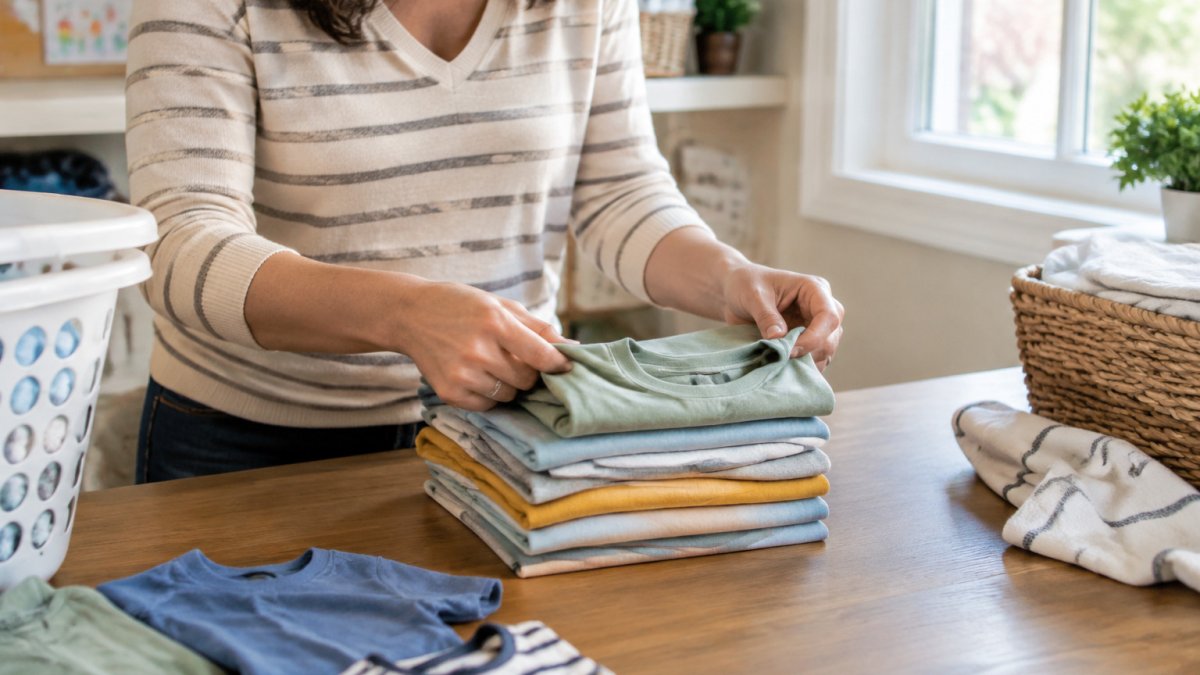
Follow these steps:
- Turn the shirt inside out before washing to protect the print and the surface fibers.
- Wash in cold or warm water on a gentle cycle.
- Use a mild, low-residue detergent. Skip fabric softener, which can coat the fibers and reduce breathability over time.
- Air dry flat or hang the shirt when you can. If you use a dryer, choose low heat.
- Store folded, not hung, so the shoulders keep their shape.
Washing in cold or warm water is generally gentler on cotton than repeated hot washing.
Choosing Your First Durable Organic Tee
If you are buying your first organic tee, consider starting with the Unisex organic mid-light t-shirt at $19.25, the most affordable organic option in the lineup.
If your child is hard on clothes, look for heavier weights, such as the Unisex organic ribbed neck t-shirt at $23.71. Children sensitive to rough seams or itchy tags should check the neck tape and stitching, which the Tee Shop's listings describe in detail. Organic children's clothing, including options in our guide to 7 organic cotton clothes for toddlers that survive playtime, is a good place to start for younger kids.
For a final check, ask three questions: How often will I wash it? How hard will it be worn? How many times will it realistically be worn? The answers point you to the right weight and price. Start with one tee, wash it the way you plan to, and judge it after a month.
Frequently Asked Questions
Are organic cotton T-shirts more durable than regular cotton T-shirts?
Not automatically. Organic status describes how the cotton was grown, not how strongly the fabric is woven. Durability depends mostly on fiber length, yarn type, fabric weight, and stitching. Combed ring-spun organic cotton, like the material in The Tee Shop's Unisex organic mid-light t-shirt, is a listed yarn type, and heavier weights such as the 6.1 oz/yd² garment-dyed heavyweight tee are listed at a higher fabric weight.
Do organic cotton T-shirts shrink in the wash?
Some shrinkage is normal for 100% cotton, especially on the first wash and in hot water. Washing cold and tumbling on low heat limits it. The Unisex organic ribbed neck t-shirt is listed at 5.3 oz/yd² and the Unisex organic oversized high neck t-shirt at 5.9 oz/yd²,
What fabric weight is best for a durable T-shirt?
Fabric weight varies across the lineup. Lighter tees such as the 4.2 to 4.6 oz/yd² options are listed at lower weights, while options in the 5 to 6.5 oz/yd² range, such as the Unisex oversized t-shirt at 6.5 oz/yd², are listed at higher weights.
Are organic cotton T-shirts worth the higher price?
They can be, if you wear them often and keep them long enough to spread the cost. Check certifications such as GOTS and OCS, which verify organic content, and buy quality construction like double-needle hems and twill-taped shoulders.
