


How to Choose a Lovelingo Apparel Alternative
Last Updated: October 28, 2026
Quick Summary
The best lovelingo alternatives are judged on fabric weight, seam construction, fit, care requirements and return policy. Heavier cotton knits and double-stitched seams at stress points generally last longest through play and frequent washing.
- Heavier cotton jerseys generally resist snagging better than thin single-knit fabrics.
- Double-stitched seams at stress points tend to outlast single-stitched ones.
- Wash a new garment once in cool water and dry on low heat before judging its size.
- Measure chest and length against the brand's size chart rather than buying one size up.
- Confirm the return window and whether returns for fit or fabric concerns are accepted.
Table of Contents
- What Parents and Educators Look for in Lovelingo Alternatives
- Durability and Washing: How to Judge Play-Proof Clothing
- Teacher Clothing Brands Compared: Fit, Comfort, and Feel
- Purpose-Driven Apparel for Teachers: What the Mission Actually Covers
- Apparel for Childcare Professionals: Sizing, Returns, and Fabric Sensitivity
- Choosing the Right Option for Your Household or Classroom
- Frequently Asked Questions
What Parents and Educators Look for in Lovelingo Alternatives
Choosing among Lovelingo alternatives starts with a simple question: what will this clothing need to survive? For a broader look at the same topic, see cotton clothing options for teachers. For parents of toddlers and educators on their feet all day, the answer usually comes down to three things: how well the fabric holds up, how the garment fits during active movement, and whether it feels good against skin after the tenth wash. The criteria below work as a fair checklist for any brand you are comparing.
Many shoppers find that the brand story matters less than the wearing experience. A mission statement does not stop a seam from splitting at the shoulder. Start with the practical tests, then decide whether the purpose behind a brand fits your values.
Keep these buying criteria in front of you as you compare options:
- Fabric weight and composition: Heavier cotton jerseys generally resist snagging better than thin single-knit fabrics.
- Seam construction: Double-stitched seams at stress points tend to outlast single-stitched ones.
- Fit range: Check whether sizing runs consistent across a line, especially if you dress siblings who differ in age.
- Care requirements: Garments that tolerate regular machine washing and drying save money over time.
- Return policy: A clear return window matters most when a fabric irritates sensitive skin.
A common mistake is buying on appearance alone. A tee that looks great on the hanger can shrink a full size after two cycles in a hot dryer. Read the care label before you commit.
Durability and Washing: How to Judge Play-Proof Clothing
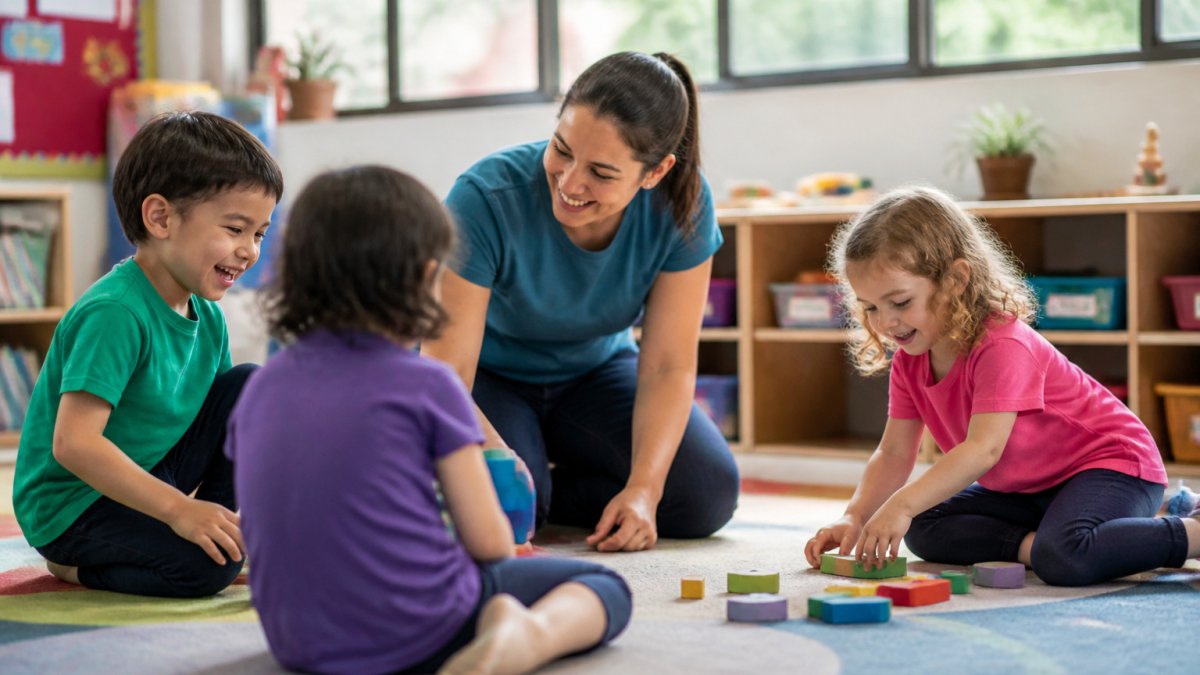
Play-proof clothing has to handle climbing, crawling, paint, and daily machine washing. Durability starts with the materials and construction, not the marketing copy.
Fabric Weight and Seam Construction
Fabric weight, usually listed in grams per square meter (GSM) or ounces per square yard, is one of the most useful indicators of how a garment will hold up. Heavier knits typically feel sturdier and resist stretching out at the neck and cuffs. Browse durable play clothing options that have held up over time to compare. Lighter fabrics can feel softer but may thin out faster under repeated wear.
Look closely at the seams. Shoulder seams, underarm seams, and the neckline band take the most strain during play. Double-needle stitching at these points usually lasts longer than single-needle construction. You can see organic cotton clothes that hold up to rough use in a tested list. When a brand does not list its fabric specifications, ask the company directly before buying.
Shrinkage and Care Instructions
Shrinkage is the most common complaint about children's basics. Pre-shrunk cotton reduces this problem, but not every product is pre-shrunk. Wash a new garment once in cool water and dry it on low heat, then decide whether the size still works.
Watch out: buying one size up to allow for shrinkage can leave a young child swimming in the shirt for weeks. Measure the chest and length against the brand's size chart instead of guessing.
The article's key durability and care factors can be scanned at a glance:
| Factor | What to check | Why it matters |
|---|---|---|
| Fabric weight | Heavier knits | Resist stretching at neck and cuffs |
| Shoulder seams | Double-needle stitching | Lasts longer than single-needle |
| Shrinkage | Wash once in cool water, dry on low | Confirms size still works |
| Sizing | Measure against the brand's size chart | Avoids guessing and oversized fit |
Teacher Clothing Brands Compared: Fit, Comfort, and Feel
Educators need clothing that moves with them. Bending to tie a shoe, lifting a child, and sitting cross-legged on a rug all test a shirt's fit in ways a store mirror never will.
When comparing teacher clothing brands, pay attention to cut and fabric feel. A relaxed fit through the shoulders and torso usually works better than a slim cut that pulls when you reach. Look at comfortable shirts suited to preschool work for examples of this cut. Soft, lightweight cotton blends can keep you comfortable through a full day of activity, though they may need more careful washing.
Feel is subjective, so test it yourself where possible. Pay attention to neck tag placement, print texture, and whether seams sit flat against the skin. A garment that feels scratchy after an hour will not improve with wear.
Purpose-Driven Apparel for Teachers: What the Mission Actually Covers
Purpose-driven apparel connects a purchase to a cause, such as supporting early childhood programs or community initiatives. This model appeals to many educators and parents, but the details matter. Ask what share of revenue goes to the cause, how the donation is made, and whether the company publishes that information.
Many shoppers find that a clear, specific commitment is more trustworthy than a vague promise to "give back." The Tee Shop supports the childcare community with every thread. Check how any brand you consider explains its giving, and compare that explanation with the product quality you actually receive.
Apparel for Childcare Professionals: Sizing, Returns, and Fabric Sensitivity
Childcare workers and nannies often buy for specific demands: frequent laundering, outdoor play, and sometimes children with sensitive skin. Sizing consistency and return policies become important considerations.
If a child reacts to a fabric, the return policy determines whether you lose money. Before buying, confirm the return window, whether tags must be intact, and whether returns for fit or fabric concerns are accepted. Keep original packaging and receipts until you are sure the garment works.
For children with fabric sensitivities, look for tagless or printed-label options and smooth, flat seams. Test a small area of the fabric against the skin before the first full wear.
Choosing the Right Option for Your Household or Classroom
Start by listing what matters most: durability for a rough-and-tumble toddler, comfort for a full day on your feet, or a gift for a colleague who works in early childhood education. Then score each brand against the criteria above, including fabric weight, seam quality, sizing consistency, and return terms.
The Tee Shop offers play-proof comfort and purpose-driven designs. For current pricing, visit The Tee Shop's website.
Frequently Asked Questions
What brands are similar to LoveLingo apparel?
Shoppers usually compare LoveLingo with other niche brands that sell purpose-driven shirts for parents, teachers, and childcare workers. Look at whether each brand publishes fabric weight, fiber content, and care instructions, since those details predict how a shirt will hold up. Check whether sizing charts list chest width and length in inches, and whether the brand states its return policy in writing. Brands that answer these questions clearly are easier to compare side by side, and they reduce the guesswork of buying online without trying clothes on first.
Where can teachers find purpose-driven apparel?
The Tee Shop offers purpose-driven apparel designed to empower parents, teachers, and children. Check The Tee Shop's website for current prices.
What should I look for in comfortable, play-proof clothing?
Start with fabric weight and fiber content. Heavier cotton jerseys and reinforced seams usually survive more play and washing than thin, loosely knit fabrics. Look for double-stitched sleeves and hems, and check whether the neckline is soft or uses a tagless print that won't irritate sensitive skin. Wash a new item once before judging its fit, because some shirts shrink after the first cycle. Care labels that recommend cold water and tumble drying on low tend to extend a garment's life.
Is The Tee Shop a good alternative to LoveLingo?
The Tee Shop offers purpose-driven apparel designed to empower parents, teachers, and children and supports the childcare community with every thread.
