


How to Prevent Kids Clothes Shrinking: A Complete Guide
Table of Contents
- Why Kids' Clothes Shrink During Washing and Drying
- How to Read Clothing Care Labels to Prevent Shrinkage
- Which Fabrics Shrink Most and How to Handle Them
- Step-by-Step Washing Routine to Prevent Kids Clothes Shrinking
- How to Prevent Clothes from Shrinking in the Dryer
- Air-Drying Kids' Clothes as a Shrinkage Prevention Strategy
- Special Considerations for School Uniforms and Specialty Garments
- Common Mistakes to Avoid
- Frequently Asked Questions
Last Updated: October 11, 2026
Why Kids' Clothes Shrink During Washing and Drying
Kids' clothes shrink because heat and agitation cause fabric fibers to contract and tighten, especially in natural fabrics like cotton. This shrinkage is permanent once it occurs.
Most shrinkage happens in the dryer, but washing can also cause it. The hotter the water and the longer the heat exposure, the more shrinkage occurs. At The Tee Shop, we design our children's apparel with durable, high-quality fabrics.
Since shrinkage is permanent, prevention through simple washing and drying habits is essential.
How to Read Clothing Care Labels to Prevent Shrinkage
The care label tells you the water temperature, cycle type, and drying method needed to prevent kids clothes shrinking and protect that exact fabric blend.
Care labels use words and symbols. Key terms include: Machine wash (standard washing machine), Hand wash (safer for delicate items), Cold water (minimizes shrinkage), Gentle cycle (delicate setting), Do not tumble dry (air-dry only), and Low heat (lowest dryer setting).
The number inside a washtub symbol indicates maximum water temperature. One line means gentle cycle; two lines mean extra-gentle; no lines mean normal cycle is acceptable.
Pay special attention to fabric content. Cotton and wool shrink more than synthetic blends. If the label says "hand wash only" or "lay flat to dry," follow that instruction exactly. These guidelines exist because that fabric needs extra care to prevent shrinkage.
Which Fabrics Shrink Most and How to Handle Them
Different fabrics shrink at different rates. Understanding which materials are most vulnerable helps you apply the right prevention strategy.
Cotton and Cotton Blends
Cotton is the most common fabric in children's clothing and shrinks easily when exposed to heat and moisture. Pure cotton can shrink 3-5 percent with improper care, making a noticeable difference in fit.
Cotton blends shrink less than pure cotton because synthetic fibers resist shrinkage and stabilize the garment.
To prevent shrinkage in cotton items:
- Wash in cold water only
- Use a gentle or delicate cycle
- Reduce spin speed to lower agitation
- Air-dry whenever possible
- If you must use a dryer, select the lowest heat setting
Cotton breathes well and feels soft, but requires careful washing to prevent shrinkage.
Wool and Delicate Fabrics
Wool is extremely prone to shrinkage, up to 10-25 percent if washed incorrectly, because its fibers lock together when exposed to heat, moisture, and agitation.
Delicate fabrics like silk and linen also shrink easily and require hand washing or gentle handling throughout the entire laundry process.
For wool and delicate fabrics:
- Hand wash only, or use a wool-specific machine cycle if available
- Use cool to lukewarm water, never hot
- Use a gentle detergent designed for delicate fabrics
- Avoid the spin cycle entirely
- Lay flat to dry on a towel or drying rack
- Never hang wool items to dry, as the weight stretches them out of shape
Wool is less common in everyday kids' clothes but appears in sweaters, cardigans, and winter wear. If you purchase wool items for your child, the extra care required to prevent shrinkage is worth the durability and warmth the fabric provides.
Synthetic Blends and Performance Fabrics
Polyester, nylon, and acrylic blends resist shrinkage much better than natural fibers because they do not absorb water the way cotton and wool do.
Synthetic blends can usually tolerate:
- Warm or cool water (not hot)
- Standard or gentle wash cycles
- Machine drying on low to medium heat
- Higher spin speeds without excessive damage
Synthetic fabrics do not breathe as well as cotton, but blends offer a middle ground with better shrinkage resistance and improved breathability.
Step-by-Step Washing Routine to Prevent Kids Clothes Shrinking
A consistent washing routine is the foundation of preventing kids clothes shrinking.
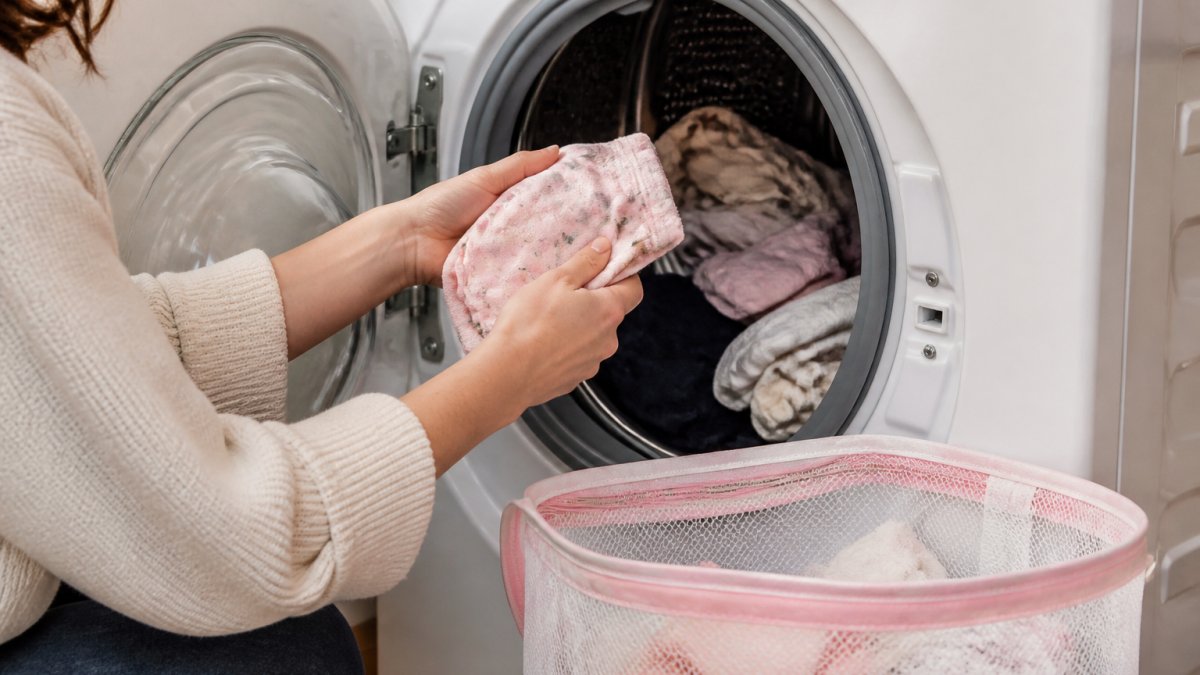
Step 1: Sort by Fabric Type and Color
Separate clothes by fabric type and color before washing. Wash whites separately from colors to prevent dye transfer. Sorting ensures each fabric type gets the appropriate water temperature and cycle.
Step 2: Choose Cold or Cool Water
Cold water is the safest choice for preventing kids clothes shrinking and preserves color. Check the care label first and avoid warm or hot water unless specifically permitted. Cold water cleans effectively for most kids' clothing.
Step 3: Select a Gentle or Delicate Wash Cycle
A gentle or delicate cycle uses less agitation and reduces stress on fibers, preventing shrinkage. Use gentle cycles for cotton, wool, delicate fabrics, and items with care labels recommending gentle washing. Select the appropriate cycle before adding detergent and clothes.
Step 4: Reduce Spin Intensity
Reduce spin intensity to lower stress on wet fibers and prevent shrinkage. Select low or medium spin for kids' clothes; wool and delicate items should use the lowest spin setting available. If your machine lacks adjustable spin, select the gentle cycle, which typically includes lower spin speeds automatically.
Step 5: Use the Right Detergent
Use the correct detergent amount per the bottle's instructions. For kids' clothes, use gentle detergent for wool and silk, standard detergent for cotton and blends. Avoid fabric softener and bleach unless the label permits it. Liquid detergent dissolves better in cold water.
How to Prevent Clothes from Shrinking in the Dryer
The dryer causes more shrinkage than the washing machine. Most kids' clothes should be air-dried to prevent shrinkage. When machine drying is necessary, low heat is essential.
Low-Heat Dryer Settings for Kids' Clothes
Set your dryer to low heat for cotton and cotton blends, low heat or air-dry for wool and delicate items. Never use high heat for kids' clothing. Some dryers have an "air-dry" or "no heat" setting that prevents all heat-related shrinkage and is ideal for delicate items.
Timing and Load Size Matter
Do not over-dry clothes. Remove items from the dryer as soon as they are dry. Leaving clothes in the dryer after they are dry exposes them to unnecessary heat. This causes additional shrinkage and wrinkles.
Pay attention to load size too. A full dryer takes longer to dry than a small load. Overloading the dryer means some items stay in the heat longer. Dry smaller loads so all items finish around the same time. This prevents over-drying some pieces while waiting for others to finish.
Check clothes after 30-40 minutes on low heat. Pull out items that are already dry. Return the remaining pieces for another 10-15 minutes. This prevents unnecessary heat exposure.
Air-Drying Kids' Clothes as a Shrinkage Prevention Strategy
Air-drying is the single best way to prevent kids clothes shrinking. No heat means no fiber contraction. Air-drying takes longer than machine drying, but it preserves fit and extends garment life. At The Tee Shop, we recommend air-drying as the primary drying method for children's clothing.
Best Practices for Line-Drying
Hang clothes on a clothesline, drying rack, or shower rod. Space items so air can circulate around them. Crowded items take longer to dry and may develop mildew odors.
When line-drying:
- Hang items by the seams or tag, not stretched out
- Face delicate items inward to protect from sun fading
- Dry in a shaded area when possible to prevent color fading
- Ensure good air circulation, ideally in a breeze
- Bring clothes inside before they become completely stiff
Line-drying works best on warm, breezy days. Humidity slows drying, so choose a day with low humidity when possible. Most items dry within 2-4 hours in good conditions.
Outdoor drying exposes clothes to sunlight, which can fade colors over time. For colored items, consider drying in shade or indoors. Indoor air-drying takes longer but protects colors.
Flat-Drying for Delicate Items
Flat-drying is ideal for wool, delicate fabrics, and items prone to stretching. Lay the garment flat on a clean, dry towel. Gently reshape it to the correct dimensions. Allow air to circulate underneath.
Flat-drying prevents stretching that occurs when wet items hang under their own weight. Wool sweaters especially benefit from flat-drying. A wet wool sweater can stretch significantly if hung up.
To flat-dry:
- Lay a clean towel on a flat surface
- Place the damp garment on the towel
- Gently shape it to match the original size
- Allow air to circulate on all sides
- Turn over halfway through drying if needed
- Move to a dry towel if the first one becomes damp
Flat-drying takes 24-48 hours depending on humidity and air circulation. It requires more space than hanging, but it is the safest method for delicate items.
Special Considerations for School Uniforms and Specialty Garments
School uniforms and specialty garments require extra attention to prevent shrinkage. Uniforms must fit consistently so children feel comfortable and confident at school. Specialty garments like performance wear or formal clothing have specific care needs.
School uniforms are often cotton or cotton blends. Follow the care label exactly. Many schools provide specific washing instructions with uniform purchase. Wash uniforms in cold water on a gentle cycle. Air-dry whenever possible. If the uniform must be machine-dried, use low heat only.
Specialty garments like performance wear, thermal clothing, or formal wear have unique fabric blends. Read the care label carefully. Some performance fabrics have special finishes that require specific care. Thermal wear may need gentle handling to maintain insulation properties. Formal wear often includes delicate materials requiring hand washing.
Keep specialty garments separate from everyday play clothes. Wash them less frequently if possible. When you do wash them, follow the care label precisely. The investment in proper care keeps specialty items looking new and fitting correctly.
Common Mistakes to Avoid
Understanding what not to do is as important as knowing what to do. These mistakes cause shrinkage and damage to kids' clothing.
Never assume all kids' clothes can be washed the same way. Each garment has specific care needs. Check the label every time.
Do not use hot water. Hot water causes significant shrinkage in most fabrics. Stick to cold or cool water for nearly all kids' clothing.
Avoid the dryer when possible. The dryer is the primary cause of shrinkage. Even low heat causes some shrinkage over time. Air-drying is always safer.
Do not overload the washing machine or dryer. Overcrowding prevents proper cleaning and drying. It also increases agitation and heat exposure.
Never ignore delicate or specialty care labels. If a label says "hand wash only," that is not a suggestion. Hand washing is necessary to prevent damage.
Avoid fabric softener and dryer sheets. These products coat fibers and can cause buildup over time.
Do not dry clean kids' clothing unless the label requires it. Dry cleaning uses harsh chemicals unnecessary for everyday play clothes.
Keeping your child's clothes fitting properly is about following simple, consistent habits. When you invest in quality children's apparel from The Tee Shop, proper care ensures those pieces serve your child well through multiple seasons.
Frequently Asked Questions
Does washing clothes in cold water prevent shrinking?
Cold water significantly reduces shrinkage risk by minimizing the stress on fabric fibers. Heat causes fibers to relax and contract, so cold or cool water (below 70°F) is one of the most effective steps in preventing kids clothes shrinking. Pair cold water with a gentle cycle for maximum protection, especially for cotton and delicate fabrics.
What dryer setting helps prevent clothes from shrinking?
Low heat or air-dry settings are best for preventing shrinkage. High heat forces fibers to contract permanently. Use the lowest heat setting available on your dryer, or better yet, remove clothes while slightly damp and air-dry them completely. Many parents find that avoiding the dryer entirely eliminates shrinkage risk for children's clothing.
Which fabrics are most likely to shrink?
Natural fibers like cotton, wool, and linen shrink most easily when exposed to heat and agitation. Cotton blends shrink less than 100% cotton but still require care. Synthetic blends and performance fabrics resist shrinkage better. Always check care labels for specific fabric content and follow the manufacturer's recommendations to protect your child's garments.
Can shrunken kids' clothes be stretched back out?
Permanent shrinkage cannot be fully reversed, but you can gently stretch damp garments back to their original shape. Soak the item in cool water mixed with a small amount of fabric conditioner, gently stretch it to size, and lay it flat to dry. Prevention through proper washing and drying is far more effective than trying to restore shrunken clothing.