


Eco-Friendly Teacher Apparel: A Buying Guide
Last Updated: November 22, 2026
Quick Summary
The best eco-friendly teacher apparel is durable, comfortable, and easy to care for, with fabric content clearly listed on the label. Organic cotton breathes well, while recycled polyester blends hold their shape and dry quickly. Compare pieces by cost per wear rather than sticker price.
- Check fabric content on the label and compare percentages rather than relying on words like eco or organic.
- Look for GOTS, GRS, or OCS certifications to verify organic or recycled claims on a specific item.
- Calculate cost per wear: a $44.68 sweatshirt worn about 108 times costs roughly $0.41 per wear.
- Wash in cold water inside out and air dry to extend the life of nearly any piece.
Table of Contents
- Why Teacher Apparel Is Worth Getting Right
- Choosing Eco-Friendly Fabrics for Clothing
- How to Verify Sustainability Claims and Certifications
- Ethical Clothing Brands for Teachers: What to Check
- Affordable Sustainable Teacher Clothing and Total Cost Per Wear
- Building Sustainable Teacher Outfits for a Classroom Week
- Inclusive Sizing, Fit and Caring for Your Classroom Wardrobe
- Your Next Step: Picking the First Pieces for Your Classroom Wardrobe
- Frequently Asked Questions
Teachers spend their days on their feet, on the floor and in the messiest corners of a classroom, so the clothes they wear matter. An eco-friendly teacher apparel buying guide helps you pick pieces that hold up to daily wear, washing and play, without buying more than you need. At The Tee Shop, we make purpose-driven shirts and sweatshirts for educators and the families who support them, and this guide walks through how to choose them well.
Start with the question that matters most: will this piece last? A shirt you wear twice a week for two school years is a different purchase than one you wear once. U.S. Environmental Protection Agency guidance on textiles and clothing waste offers a useful starting point for thinking about how much clothing ends up in landfills and why longer-lasting pieces make sense.
Why Teacher Apparel Is Worth Getting Right
Teacher apparel gets more wear than most people realize. Between lesson planning, recess duty, art projects and the occasional spilled juice box, a classroom wardrobe takes real abuse. Cheap fabric pills, stretches out of shape and fades after a handful of washes, which means a teacher replaces it sooner.
The goal is not to spend the most. It is to spend on pieces that earn their place in the rotation. Think about how often you will reach for a piece, how it fits when you are moving around all day, and whether it survives your laundry routine.
Choosing Eco-Friendly Fabrics for Clothing
Fabric choice drives most of the environmental and comfort outcomes, and for teachers it also drives whether a piece survives a school year. For a deeper, current comparison of cotton alternatives for teachers, see cotton alternatives for teachers. The useful question is not "natural or recycled?" but "which fiber performs in my classroom and how much care does it demand?" Compare candidates on four criteria: breathability during active periods, shape retention after repeated washing, drying time between wears, and how the fiber behaves when it gets stained.
Organic cotton, recycled polyester and blends
Organic cotton feels soft against skin and breathes well, which matters in a warm classroom, but it absorbs moisture slowly and can shrink if washed hot and dried on high heat. Recycled polyester resists wrinkles, holds color, and dries quickly, though it traps heat more than cotton and can pill at friction points like cuffs and underarms. Many teacher-focused pieces combine the two, which balances breathability with stretch and shape retention.
Look for fabric content listed clearly on the label. A product that names its percentages gives you something concrete to compare. A 100% organic cotton tee and an 80/20 organic cotton-recycled polyester sweatshirt behave differently in the wash and on the body, and the label is where that difference starts.
Fabric trade-offs and care requirements
Every fabric involves trade-offs, and the right pick depends on your day. A common pattern among teachers is to keep breathable cotton closest to the skin and use a blended layer for structure and warmth.
- 100% organic cotton: Soft, breathable, and comfortable for warm rooms and active days. Best for mid-light t-shirts worn next to the skin.
- Organic cotton-recycled polyester blends (for example, 80/20): Best for sweatshirts, layers, and pieces you rewear between washes.
- Heavier-weight knits: Feel sturdier and generally last longer, but they dry more slowly and can feel warm in a heated room. Best for cool classrooms and layering.
- Lighter-weight knits: Suit warm rooms and easy movement, but show wear sooner at seams and hems. Best for everyday rotation when you accept a shorter lifespan in exchange for comfort.
Check the care label before buying, and treat it as part of the purchase price. Cold washing and air drying extend the life of nearly any piece, and that single habit does more for sustainability than most purchase decisions.
Watch out: a fabric described only as "organic" or "eco" without a percentage or a named fiber gives you nothing to compare, and it may hide a synthetic-heavy blend that pills quickly under classroom wear.
How to Verify Sustainability Claims and Certifications
"Eco-friendly" is a loose term, and brands use it freely. Certifications give you a way to check. Two to look for on apparel are GOTS (Global Organic Textile Standard), which covers organic fiber content, and GRS (Global Recycled Standard), which covers recycled content. OCS (Organic Content Standard) covers organic content.
When a product lists these certifications, you can ask whether the claim applies to the specific item or only to the brand as a whole. Vague language like "conscious" or "green" without a percentage or a certification deserves skepticism.
Ethical Clothing Brands for Teachers: What to Check
Environmental impact is only part of the picture. Ethical production also covers how workers are paid and treated. Ask where the blank garment was made and whether the brand publishes information about its factories. Asking how workers are treated can also lead to questions about the materials they handle, since ethical and sustainable fabrics are part of a garment’s wider impact.
Transparency is a strong signal. Brands that name their production countries and explain their certifications are easier to trust than those that stay vague.
Affordable Sustainable Teacher Clothing and Total Cost Per Wear
A higher price tag is not automatically a better buy, and a low one is not automatically a bargain. The more useful measure is cost per wear: divide the purchase price by the number of times you realistically expect to wear the piece before it wears out or leaves your rotation. That number lets you compare a cheap shirt and a well-made one on the same footing.
Run the math with your own habits. Suppose a $44.68 sweatshirt lasts three school years and you wear it once a week for about 36 weeks a year. That is roughly 108 wears, or about $0.41 per wear before any repair costs.
Here is how the three most relevant pieces from our catalog compare:
| Product | Price (USD) | Fabric | Best For |
|---|---|---|---|
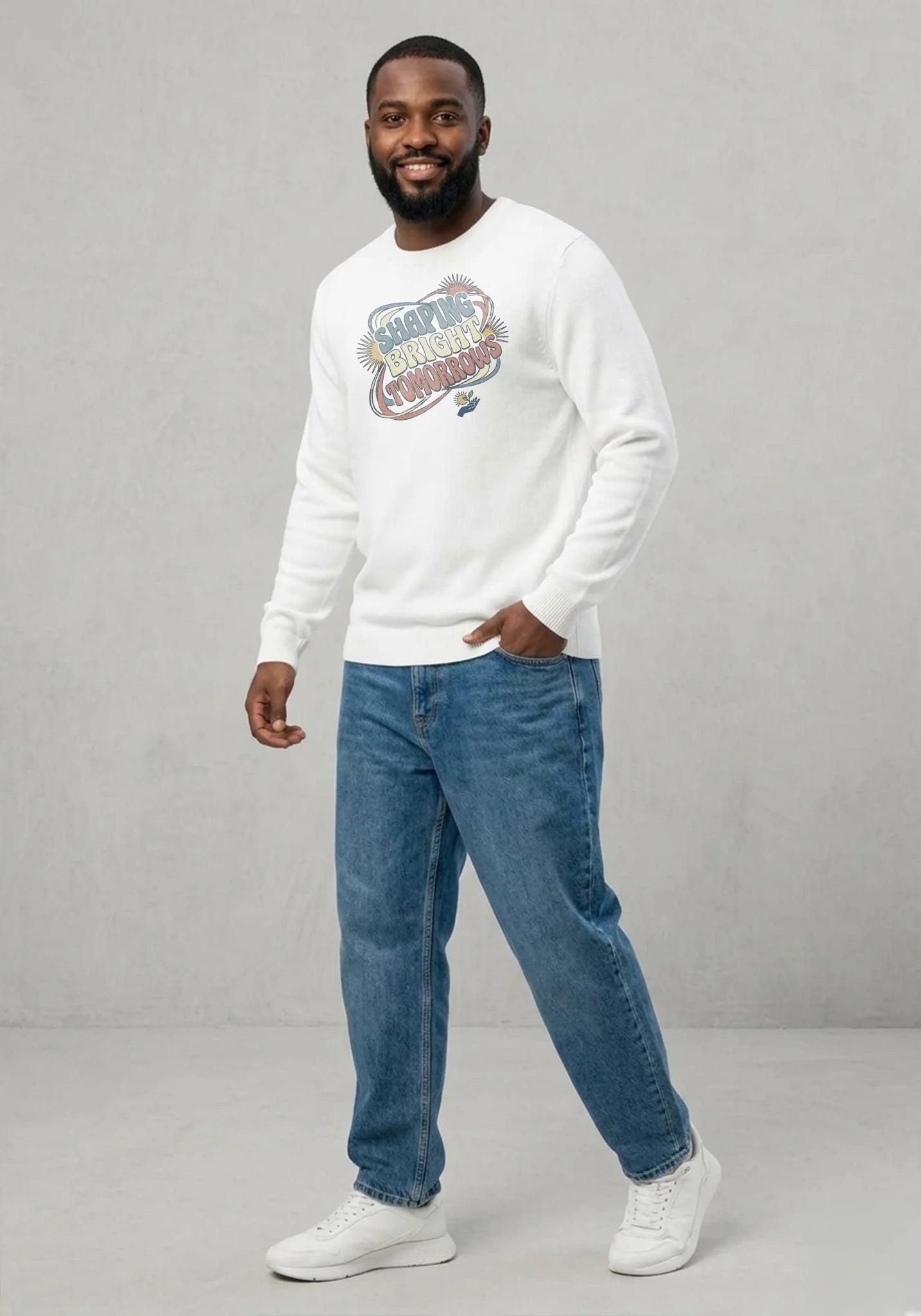
| Unisex organic sweatshirt | $44.68 | 80% organic cotton, 20% recycled polyester | Cool classrooms and layering |
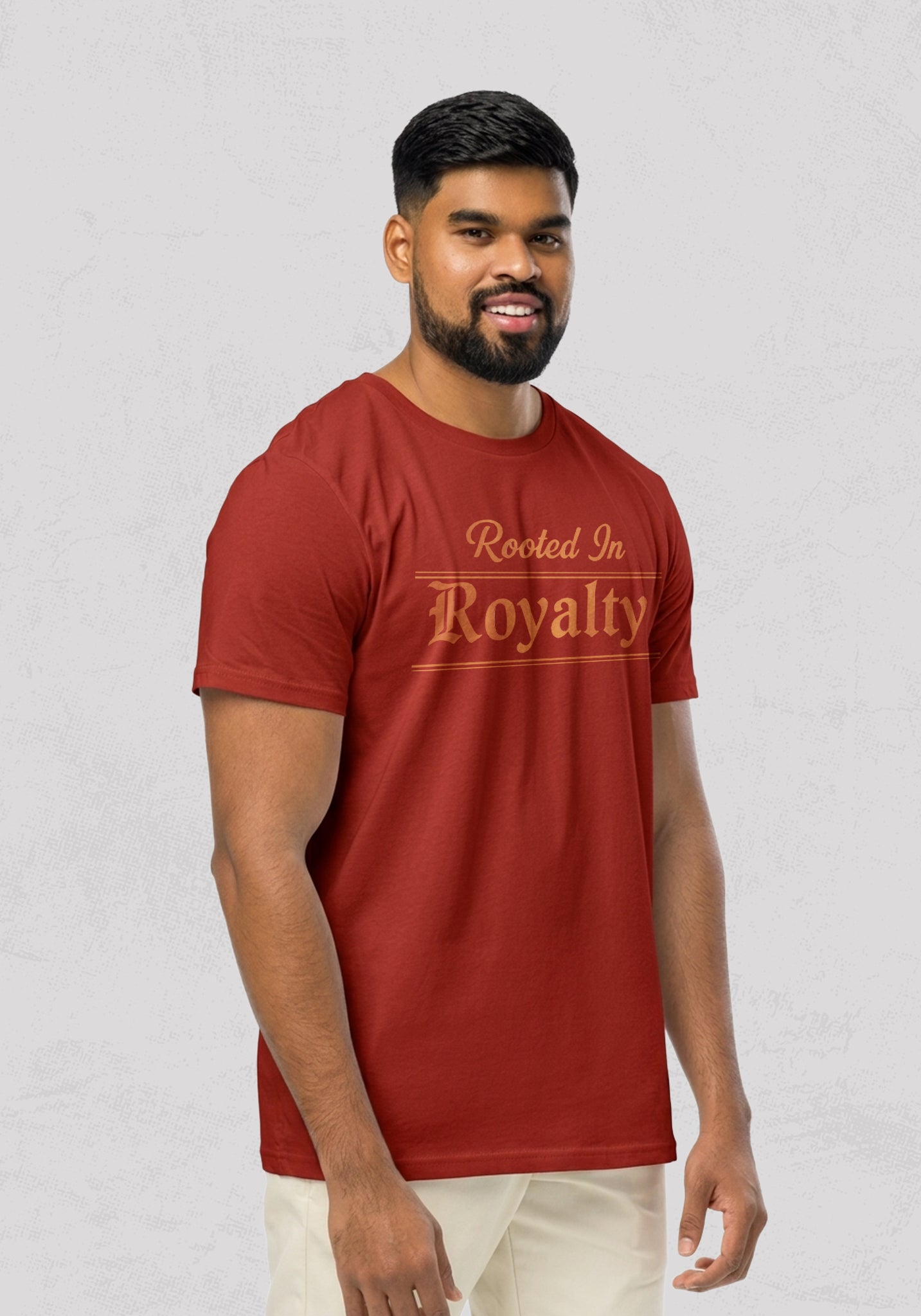
| Unisex organic mid-light t-shirt | $19.25 | 100% organic cotton | Everyday wear and warm days |
| Unisex organic mid-weight sweatshirt | $33.00 | 80% organic cotton, 20% recycled polyester | In-between weather |
Price (USD)
A simple budget method for a classroom wardrobe
Plan around a few versatile pieces rather than a large pile of single-use items. A practical approach:
- Count your wear days. Most teachers need five to seven outfits per week, but two or three tops can cover a week if you rewear layers and wash midweek.
- Set a per-wear target. Decide the most you are willing to pay per wear, many shoppers use a rough ceiling of $1 per wear for everyday pieces, and check each candidate against it.
- Add repair and care costs. A
- Weight versatility. A piece that works with three bottoms and two layers earns more wears than a statement item worn once a month, which lowers its real cost per wear.
Buy the first piece, track how often you actually reach for it for a month, and let that real-world count guide the next purchase rather than a sale tag.
Watch out: a low sticker price can hide a short lifespan, and a high one can hide a piece you never wear, calculate cost per wear on expected wears, not on the price alone.
Building Sustainable Teacher Outfits for a Classroom Week
Pieces work best when they mix. A relaxed sweatshirt over a mid-light t-shirt gives you layers for a chilly morning, then lets you shed one for afternoon recess. Choose neutrals as your base and add one or two colors you enjoy. For practical, comfortable shirt suggestions for preschool classrooms, see comfortable shirts for preschool teachers.

Think about movement. Relaxed fits and set-in sleeves allow reaching, kneeling and bending without constant adjustment. A preschool teacher kneeling on a classroom rug needs different comfort than someone mostly at a desk.
Inclusive Sizing, Fit and Caring for Your Classroom Wardrobe
Sizing varies by brand and by region. Check the size chart rather than relying on your usual size. Our sweatshirts and t-shirts follow a relaxed or regular fit, and customers from the European market should order a size down on the mid-light and mid-weight pieces.
Care keeps clothing working. Wash inside out in cold water, skip the high-heat dryer and repair small seam issues early. These habits protect your investment and reduce how often you need to replace anything.
Your Next Step: Picking the First Pieces for Your Classroom Wardrobe
Start small. Choose one t-shirt and one layering piece, wear them through a full school week and note how they hold up. That real-world test tells you more than any product description.
When you are ready, browse the Unisex organic sweatshirt or the Unisex organic mid-light t-shirt to see fabric details and sizing in full. A few well-made pieces can carry you through the school year, and that is the real goal of a good buying decision.
Frequently Asked Questions
What is the 3-3-3 rule for clothing?
The 3-3-3 rule is a minimalist shortcut: pick three base colors, three versatile tops or bottoms, and three accessories, then mix them into outfits. For teachers it works well because a small set of durable pieces covers a full school week with less buying and less laundry. Start with neutral sweatshirts and organic cotton tees from The Tee Shop, add two bottoms you can move, and layer rather than buying something new for every day of the week.
What is the most eco-friendly material for clothes?
No single fabric wins every category. Organic cotton reduces pesticide and synthetic fertilizer use, while recycled polyester keeps existing plastic out of landfills. Blends that combine organic cotton with recycled content, such as the 80% organic cotton and 20% recycled polyester sweatshirt sold by The Tee Shop, balance softness, durability and footprint. Check that the fiber content and the certifications are both listed before you assume a material is eco-friendly.
What certifications should I look for when buying sustainable clothing?
Look for GOTS (Global Organic Textile Standard) and OCS (Organic Content Standard) for organic content, and GRS (Global Recycled Standard) for recycled content. These are third-party standards that check the fiber actually came from the claimed source. A vague word like eco-friendly or natural on a label is not a certification. The Tee Shop's organic sweatshirt and organic mid-light t-shirt carry GOTS and OCS, and the sweatshirt also carries GRS for its recycled polyester.
How can teachers build a sustainable wardrobe on a budget?
Start with fewer, better pieces and calculate cost per wear: a $33.00 sweatshirt worn two days a week for a year costs far less per wear than a cheap top you replace every few months. Buy staples such as a $19.25 organic mid-light t-shirt in colors that mix with everything, and add a $22.55 recycled staple tee. Wash in cold water, air dry when possible, and repair small seams instead of replacing pieces.
